Aromatherapy
How to Start a Career in Aromatherapy in Ireland
Pyramid Holistic Training Centre

An interest in essential oils can be the beginning of a rewarding area of study, but professional aromatherapy involves much more than selecting a pleasant scent. It calls for knowledge of oil properties, safe use, individual consultation and the boundaries of a complementary therapy role.
For anyone comparing aromatherapy courses in Ireland, the useful question is not simply which oils you will learn about. Ask what qualification you will earn and how the course prepares you to work responsibly with clients. Pyramid offers the iTEC Diploma in Aromatherapy, with practical and theory training in Donegal and Mullingar.
Understand what professional aromatherapy involves
Aromatherapy uses essential oils within an appropriate, planned approach to client care. A trained practitioner considers the person, the proposed application and the safety information relevant to the oils selected. The professional skill lies in making informed choices rather than assuming that an oil is suitable for everyone because it is natural or widely available.
Aromatherapy is a complementary practice, not a route to diagnosing illness or replacing prescribed treatment. Avoid promising cures or advising clients to stop medication. If information from a consultation raises concerns, work within your competence and suggest appropriate healthcare advice. Learning these limits is as important as learning blends, because clients need accurate expectations about what you can provide.
Choose training for your intended role
If you want an introduction for personal interest, an online introductory course may be a useful first step. Pyramid’s course directory includes a Thinkific Introduction to Aromatherapy, with its lesson list and enrolment link. An introduction can help you explore the subject, but it should not be treated as equivalent to an assessed practitioner diploma.
If your aim is professional client work, ask about the full qualification, practical requirements and assessments. Pyramid’s aromatherapy course is an iTEC practitioner diploma. iTEC diplomas are internationally recognised and accepted by insurers, employers and professional bodies. Always check the specific insurer or employer requirements for the services you want to offer, rather than assuming recognition automatically settles every practical requirement.
Essential oils: learn the theory behind the choices
The Pyramid learning outline includes essential oil chemistry, properties and safety, and blending for individual clients. Chemistry may feel unfamiliar at first, but it provides a reason for the decisions you make. A professional approach involves knowing why you selected an oil, how you intend to use it and what relevant precautions you need to consider.
Keep safety advice tied to your training rather than social media recipes. Do not assume an oil is harmless because a friend uses it, or that the same blend suits every client. Ask your tutor about appropriate dilution, contraindications, storage and the limits of the application methods covered by your course. Avoid improvising beyond the scope you have been taught.
Connect blending with consultation
A blend should follow an appropriate consultation, not replace one. Gather the information your training requires, discuss the proposed session and obtain consent. People have different preferences and circumstances, so clear explanations matter. Keep a record of the products and decisions used in the session according to the professional standards you are learning, and handle client information securely.
Build practical confidence alongside theory
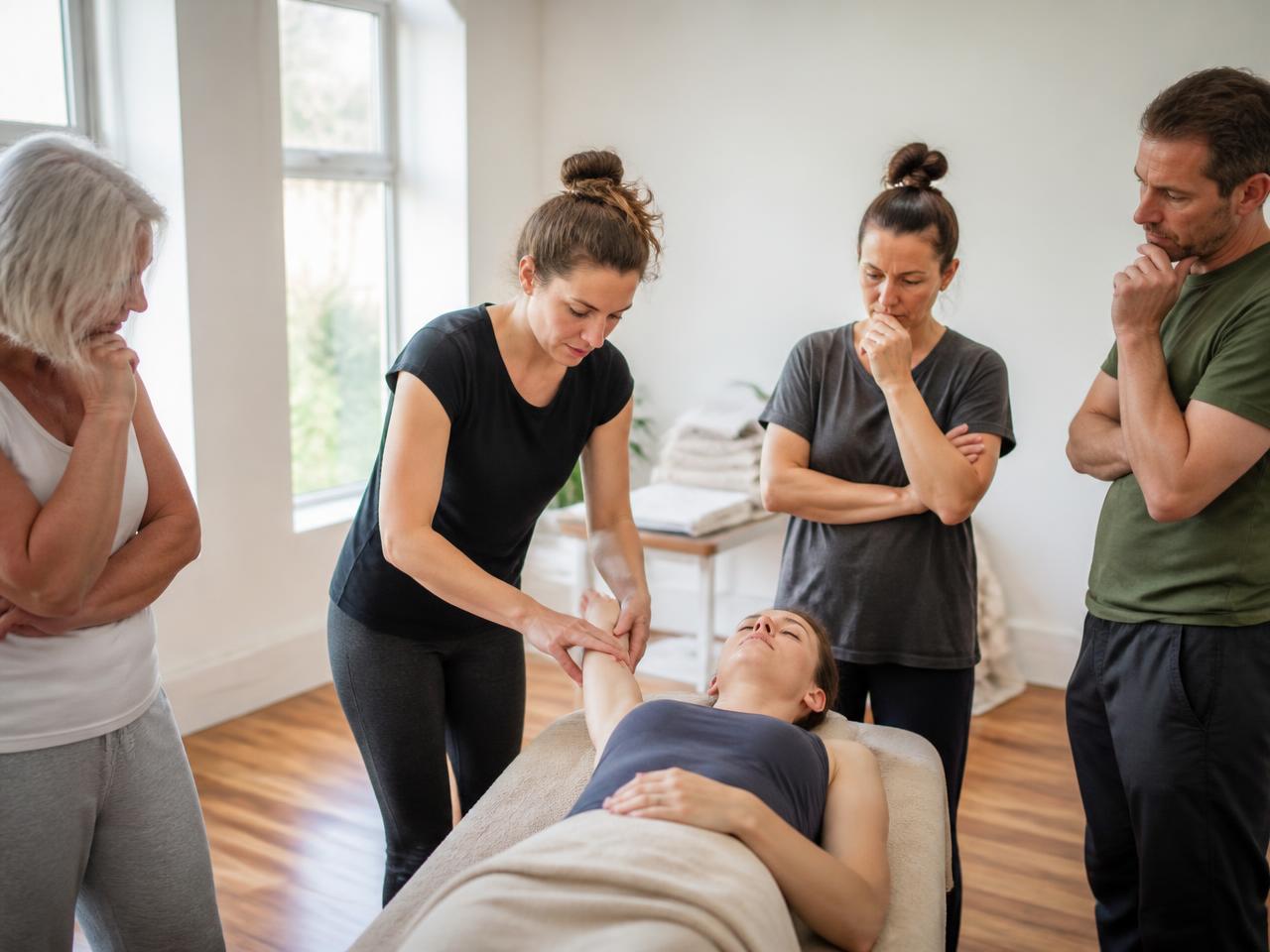
Pyramid describes the course format as in-person practical work plus theory, with Anatomy & Physiology Level 5 (UK Level 3) included. Practical learning allows you to ask questions and receive feedback while connecting the subject to individual client work. Confirm the current assessment outline, case-study requirements and attendance arrangements directly with the centre before enrolling.
Set aside regular time for both reading and practice. Organise your study notes so you can find safety information and explain your decisions, rather than relying on memory alone. Ask what materials and equipment you need and how practice should be arranged. A clear weekly routine helps keep theory, practical work and assessment preparation moving together.
Compare providers carefully
Look for an exact qualification title and awarding body, not just a collection of accreditation logos. Ask how the tutor supports practical learning, what independent study is expected and what assessments you must complete. Request the current fees, dates and any additional costs. These details help you decide whether the course fits your circumstances without relying on outdated information.
Pyramid teaches in Donegal and Mullingar, with the main centre in Carrigans and the satellite centre in Mullingar. Check the arrangements for the course you are interested in, especially if you need to travel. Discuss your previous qualifications too, so the centre can explain the entry requirements and whether your background is relevant to the planned study.
Prepare for a realistic career path
After qualification, you may explore work in an existing wellness or therapy setting or build a self-employed practice. The services you offer should reflect your training and insurance. Adding aromatherapy to another qualification can broaden your professional skills, but you still need to confirm that each treatment is covered and that you are competent to offer it.
Business preparation matters alongside treatment skills. Think about premises, appointments, payments, record keeping and truthful descriptions of your services. No diploma guarantees a salary or a set number of clients. A realistic beginning might involve a limited appointment schedule while you gain experience and learn what practical arrangements work for you and the people you see.
Take the next step with clear questions
Read the aromatherapy diploma page and note the questions you want answered about the current intake, practical study and assessment. If business planning is part of your goal, ask separately about the optional Business Support Year. It provides booking, client-management and marketing support after qualification; it is available as an additional option, not automatically included in your diploma.