Massage Training
How to Become a Qualified Massage Therapist in Ireland
Pyramid Holistic Training Centre
If you enjoy practical work and want a career centred on people, massage training may be worth exploring. Getting qualified involves much more than learning a sequence of movements. You need to understand the body, work safely, communicate clearly and know when a treatment is not appropriate.
This guide explains what to look for in massage therapy courses in Ireland and how to move from an interest in massage towards professional practice. At Pyramid, the starting point is the iTEC Diploma in Holistic Massage, with practical training in Donegal and Mullingar.
Start with the qualification you actually need
A short introductory course and a practitioner diploma serve different purposes. An introduction can help you decide whether you enjoy the subject. A practitioner diploma is intended to prepare you to work with clients professionally, with assessed practical skills, theory and case studies. If paid client work is your goal, make that clear before you enrol.
Ask for the exact qualification title and awarding body rather than relying on a general statement that a course is accredited. Pyramid offers an iTEC practitioner diploma in holistic massage. iTEC diplomas are internationally recognised and accepted by insurers, employers and professional bodies. You should still check the specific cover or employment requirements relevant to your intended work.
What you learn during massage training
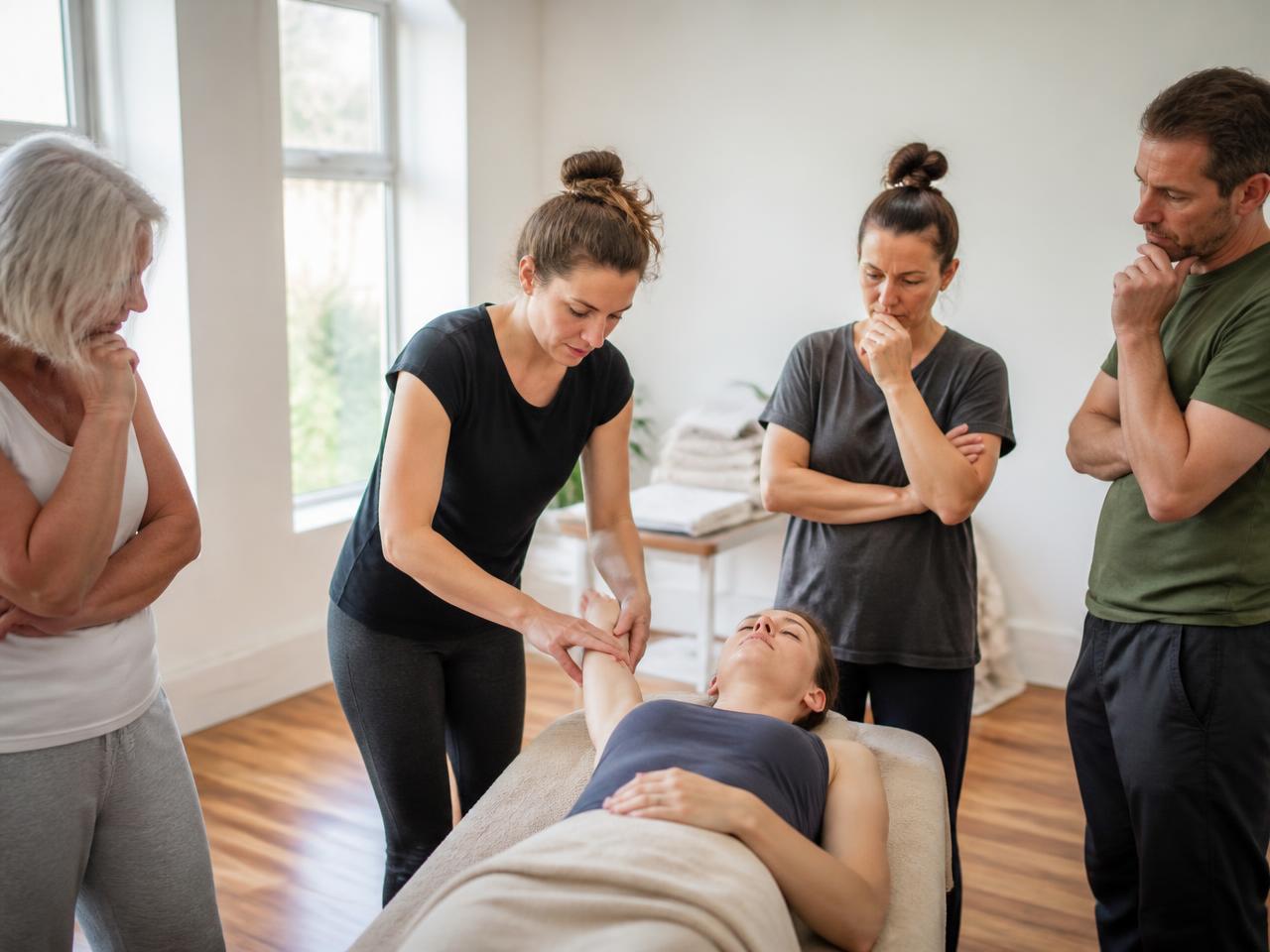
Pyramid’s massage diploma covers a full-body Swedish and holistic massage routine, adapting pressure and technique to the individual, and the anatomy and physiology underpinning each treatment. Practical sessions give you a chance to practise under a tutor’s guidance, ask questions and develop consistent habits rather than simply copying a demonstration.
Client consultation is equally important. You learn about contraindications, treatment planning, hygiene and professional record keeping. A good therapist does not assume that every client needs the same treatment. Training should help you gather relevant information, explain what you can offer and recognise when you need to postpone treatment or suggest appropriate professional advice.
Why anatomy and physiology matter
Understanding muscles, joints and body systems helps you make sense of what you are doing with your hands. The Pyramid diploma includes Anatomy & Physiology Level 5 (UK Level 3), using the level wording on the course page. Ask the centre how theory study fits alongside practical classes and what preparation you will need between sessions. Do not assume qualification frameworks in different countries are interchangeable.
Make room for practice outside the classroom
You develop massage skills through repetition and useful feedback. Before choosing a course, think about when you can practise, whether you have suitable space and how you will find people for the required case studies. Ask your tutor what equipment is needed and what arrangements are acceptable. Having a realistic study plan is more useful than hoping everything will fit around a busy week.
Pyramid’s assessment includes a practical assessment of the full treatment routine, written theory and anatomy exams, and case studies completed with real clients. Keep your notes organised from the beginning. Recording what you noticed, how you adapted a session and what you would improve helps connect classroom learning with the decisions you will eventually make in practice.
Choose a provider that fits your life
When comparing training centres, consider travel, teaching format, assessment requirements and access to the tutor as well as the qualification itself. Ask about the current timetable, attendance expectations and total costs before paying a deposit. Course dates and fees can change, so use the current course information rather than an old advertisement or somebody else’s experience.
Pyramid teaches in Donegal and Mullingar. Donegal is the main centre in Carrigans, while Mullingar is the satellite centre. The massage diploma is suitable for complete beginners as well as therapists adding a qualification. A conversation with the centre can help you check whether the location and current course arrangements will work alongside employment, caring responsibilities or other commitments.
Think about your working life after qualification
Qualified massage therapists may explore work in wellness settings, established practices or their own business. Each option comes with different expectations around experience, insurance, available hours and the treatments offered. A qualification supports your next step, but it does not guarantee a job, a particular income or a full client diary. Speak to prospective employers or insurers about their requirements.
If you plan to be self-employed, allow time for business administration as well as treatments. You will need to think about premises, professional cover, bookings, payments and handling client information responsibly. Start with a manageable service and schedule. Reliable communication, clear boundaries and a well-run appointment are important parts of the client experience, not extras to add later.
Your next step with Pyramid
Read the massage diploma page for the qualification, learning topics and assessment outline, then write down the questions that matter to you. These might include the next intake, weekly study demands, practical arrangements and the costs you need to budget for. There is no need to have your whole future planned before asking.
Pyramid also offers an optional Business Support Year for graduates and qualified therapists. This is available separately, not automatically included in the diploma. It focuses on a branded booking system, client management and practical marketing guidance. If you want both training and help organising a future practice, ask about each part so you can make an informed decision.