Reflexology
Reflexology Courses in Ireland: Your Guide to Getting Qualified
Pyramid Holistic Training Centre
Reflexology can be an appealing career choice if you enjoy careful, hands-on work and building a professional relationship with clients. Before enrolling, it helps to know the difference between learning a few techniques and completing a qualification that prepares you for professional practice.
If you are comparing reflexology courses in Ireland, look at the qualification, practical teaching, assessment and support available throughout your study. At Pyramid, the iTEC Diploma in Reflexology is the practitioner route, taught in Donegal and Mullingar. This guide explains the main things to consider before taking that next step.
What is reflexology?
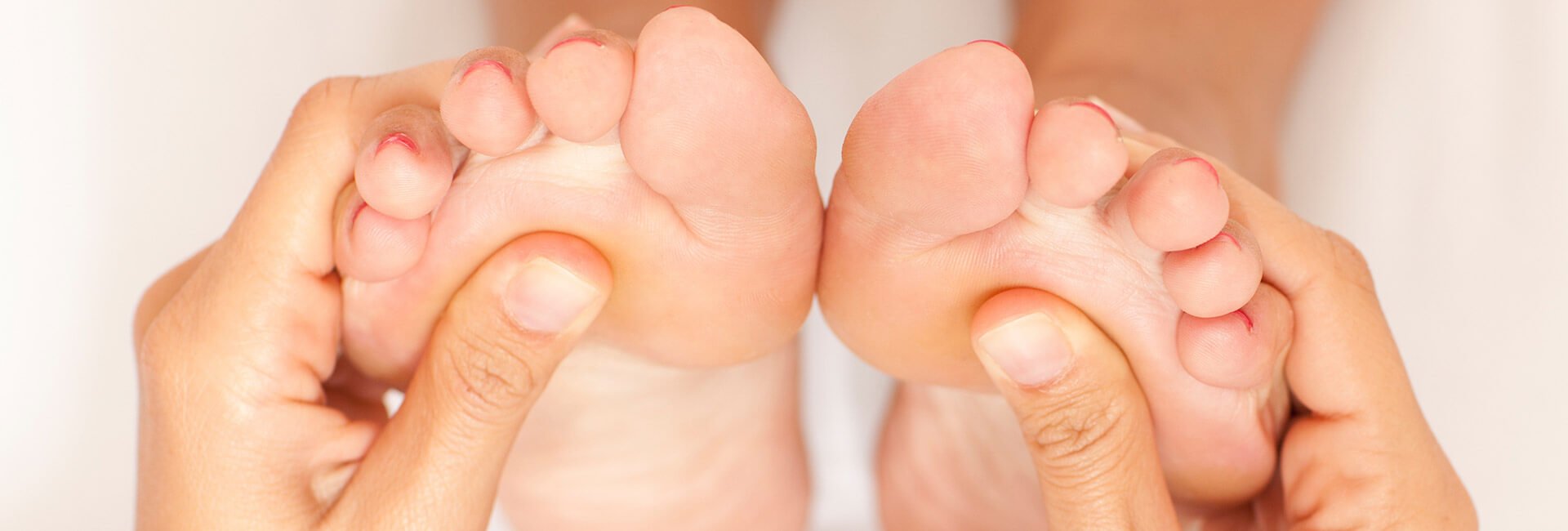
Reflexology is a complementary practice involving specific pressure techniques, commonly applied to the feet, using reflex maps as part of the treatment approach. A professional session involves more than pressing mapped points. Consultation, consent, comfort, hygiene and an appropriate treatment plan are all part of the work. Training helps you bring those elements together consistently.
It is important to describe reflexology responsibly. A reflexologist does not diagnose medical conditions from the feet, and reflexology should not be presented as a replacement for medical treatment. If a client has a health concern, work within your training and refer them to an appropriate healthcare professional when needed. Avoid making promises about curing illness or guaranteed outcomes.
Choose a practitioner qualification
If your aim is to see paying clients, choose a course designed for practitioner-level work. Ask about the awarding body, assessment and whether the qualification meets the requirements of the insurer or professional organisation you plan to use. An introductory course can help you explore the subject, but it should not be confused with a full practitioner diploma.
Pyramid’s course is named the iTEC Diploma in Reflexology and uses the level description Level 5 (UK Level 3) on its course page. It includes Anatomy & Physiology Level 5 (UK Level 3). iTEC diplomas are internationally recognised and accepted by insurers, employers and professional bodies, although you should confirm the exact requirements that apply to your intended work and location.
The practical skills you develop
The Pyramid diploma covers a full reflexology treatment of the feet and reflex map theory. As you practise, you develop your hand skills, treatment sequence and confidence in working at a pace that suits the client. Tutor feedback matters because small changes in positioning or technique can make a difference to how comfortably you work.
You also learn consultation, contraindications and treatment planning, along with professional standards, hygiene and record keeping. These topics are not separate from practical ability. A well-performed routine still needs an appropriate consultation and consent. Knowing when not to proceed, and explaining that decision respectfully, is part of being ready for professional practice.
Aftercare and client communication
Pyramid includes aftercare advice and building a repeat client relationship in its learning outline. Keep advice within your qualification and avoid telling clients to change prescribed treatment. Good communication means explaining what the session involves, answering questions honestly and respecting a client’s choice not to continue. Professional trust grows through clarity and consistency, not through making stronger claims.
Theory, practice and assessment
The course combines in-person practical training with theory. Assessment includes a practical assessment of a full treatment, written theory and anatomy exams, and case studies with real clients. Ask the centre how these elements are organised for the current intake. Understanding the assessment early helps you plan your study rather than leaving important work until the end.
Case studies give you the opportunity to connect classroom teaching with individual consultations and treatment plans. Arrange practice according to your tutor’s instructions, obtain appropriate consent and keep information securely. Make time to reflect on your work: what went well, what you were unsure about and what questions you want to bring to the next class.
Plan training around your everyday life
Before enrolling, consider the journey to class, independent study and regular practical work. If you are working or caring for others, put those commitments into a realistic weekly plan. Ask about equipment and any additional costs. Current dates, timetables and fees are best confirmed directly with the centre, rather than inferred from an old post or another student’s timetable.
Pyramid has its main centre in Carrigans, Co. Donegal, and a satellite centre in Mullingar, Co. Westmeath. Both locations are listed for the reflexology diploma. Beginners are welcome, and existing therapists can also use the diploma to add a recognised qualification. Discuss your previous study with the centre so it can explain the route appropriate to you.
What happens after you qualify?
You might explore self-employment, a role in an established therapy setting or adding reflexology to an existing practice. Check the insurance, premises and business arrangements relevant to your choice. Qualification is an important foundation, but it does not guarantee employment or a full diary. Start with services within your competence and build experience through responsible practice.
Further study may become useful once you have a foundation. Pyramid lists options such as Hand Reflexology and Advanced Reflexology Techniques. Check their entry requirements and scope before booking. The optional Business Support Year is also available if you want help organising bookings, client records and practical marketing after qualification.
Ask the questions that matter to you
Read the diploma outline and make a short list of questions about study time, assessments, travel and the current intake. If your goal is professional practice, include a question about the qualification your intended insurer accepts. A free advisory call can help you decide whether reflexology is the right starting point, without committing you to a course before you understand it.