Holistic Therapy
Massage vs Reflexology vs Aromatherapy: Which Course Should You Choose?
Pyramid Holistic Training Centre
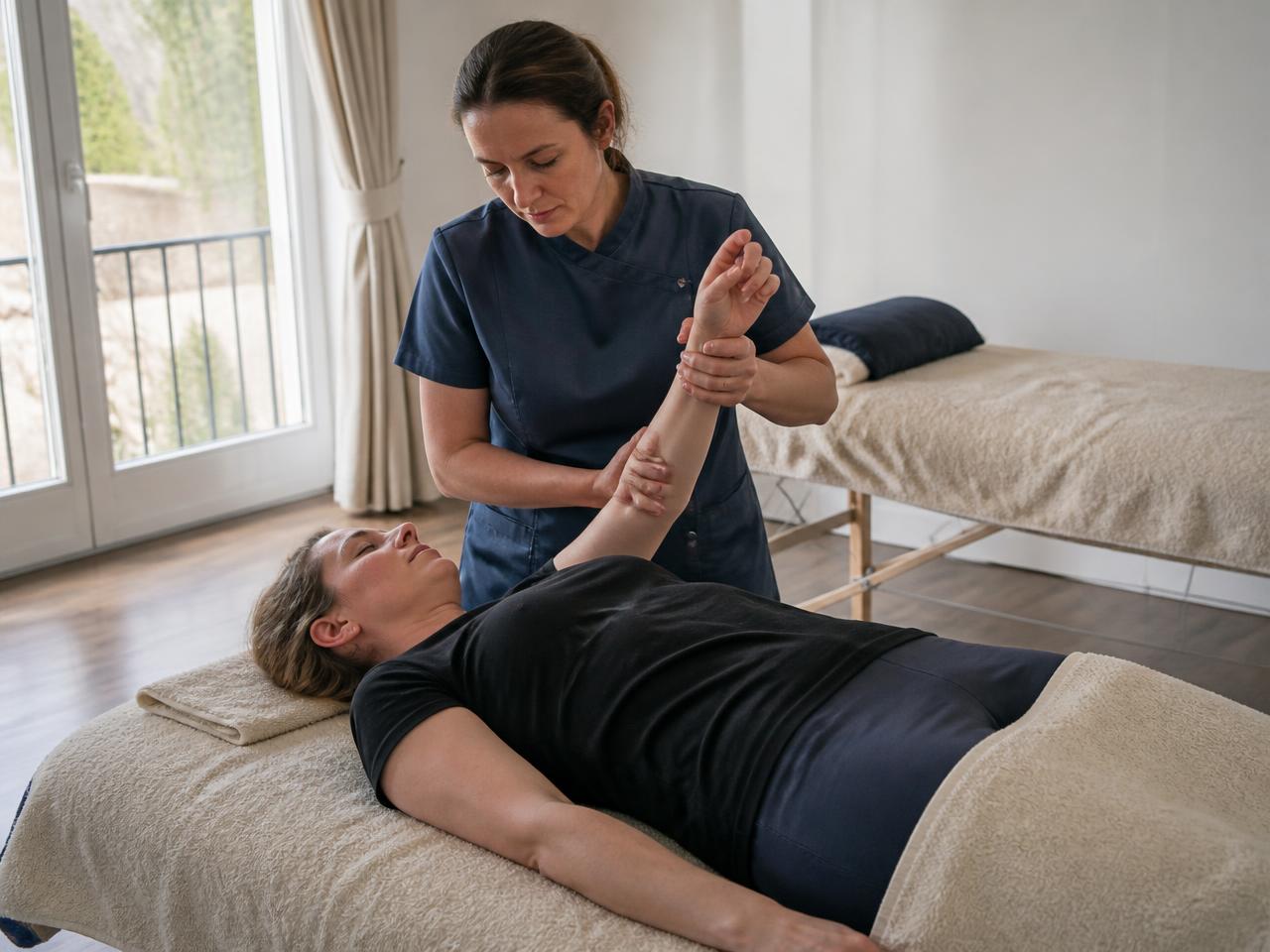
Massage, reflexology and aromatherapy can all lead towards professional complementary therapy work, but the day-to-day skills are not identical. Choosing between them is easier when you compare the actual learning and practical work, rather than asking which one is universally best.
If you are considering holistic therapy training in Ireland, start with your interests, available time and the services you might eventually want to offer. This guide compares Pyramid’s three iTEC practitioner diplomas. It does not rank therapies by medical effectiveness or promise that one qualification will earn more than another.
Massage: full-body practical skills
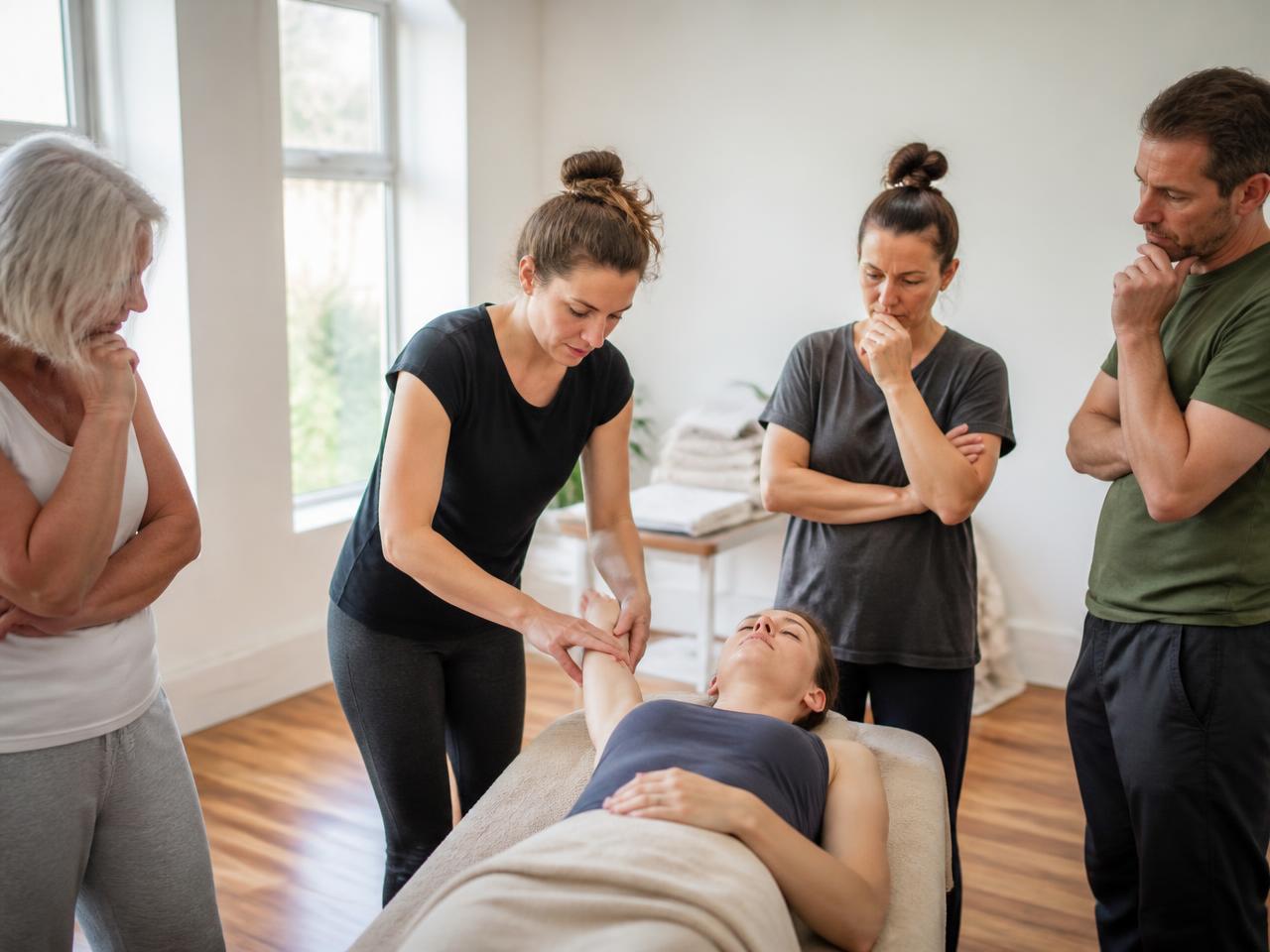
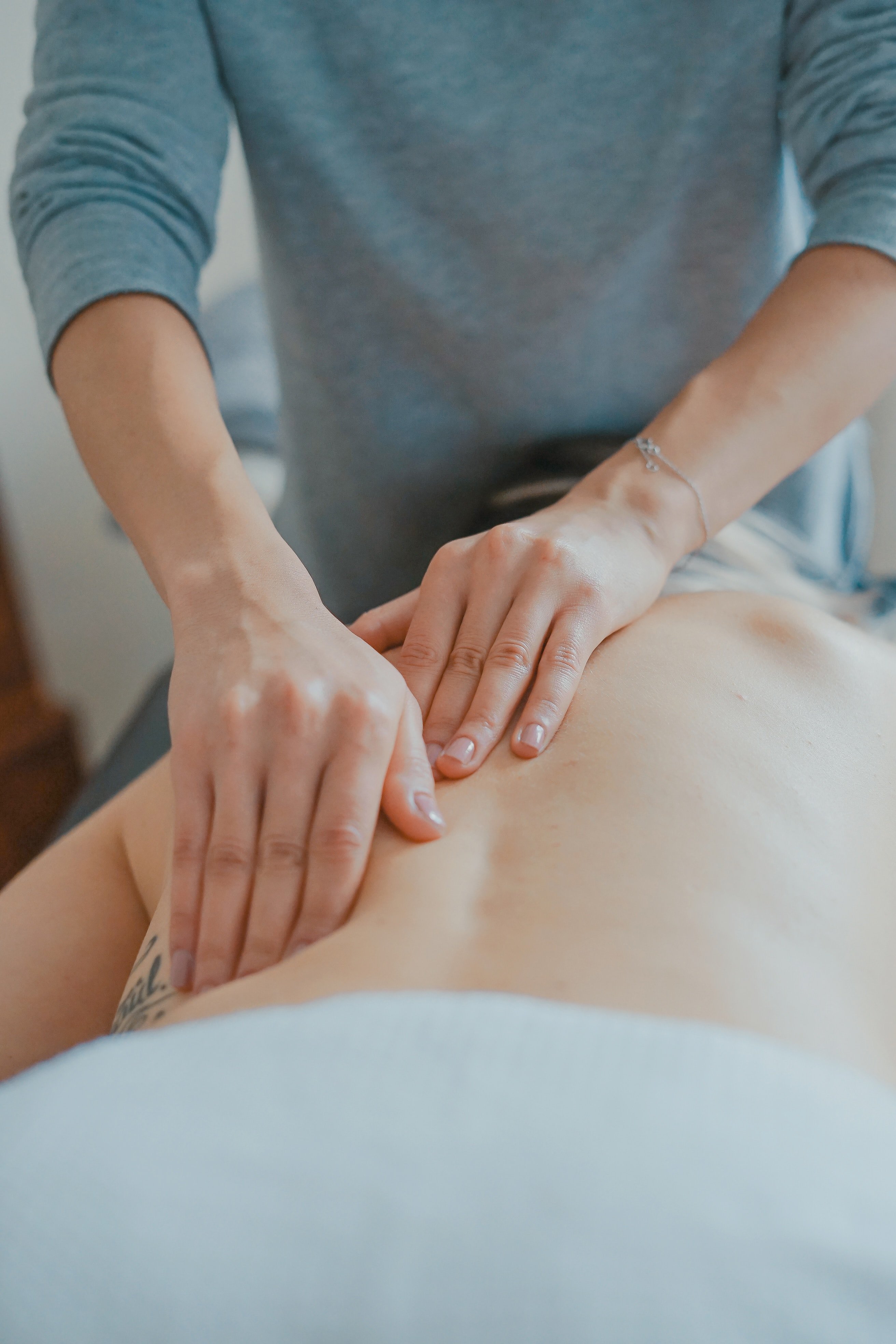
The iTEC Diploma in Holistic Massage covers a full-body Swedish and holistic massage routine, adapting pressure and technique, and the anatomy and physiology underpinning treatment. Consultation, contraindications, hygiene and record keeping are also part of the course. This route may suit you if you are drawn to learning a broad, hands-on treatment routine.
Think about the practical reality as well as the subject. Massage involves sustained hands-on work, appropriate positioning and a suitable treatment space. Ask how the course helps you develop good working habits and what equipment you need for practice. If you have concerns about the physical demands, discuss them before enrolling rather than assuming you must manage without guidance.
Reflexology: focused work and detailed technique
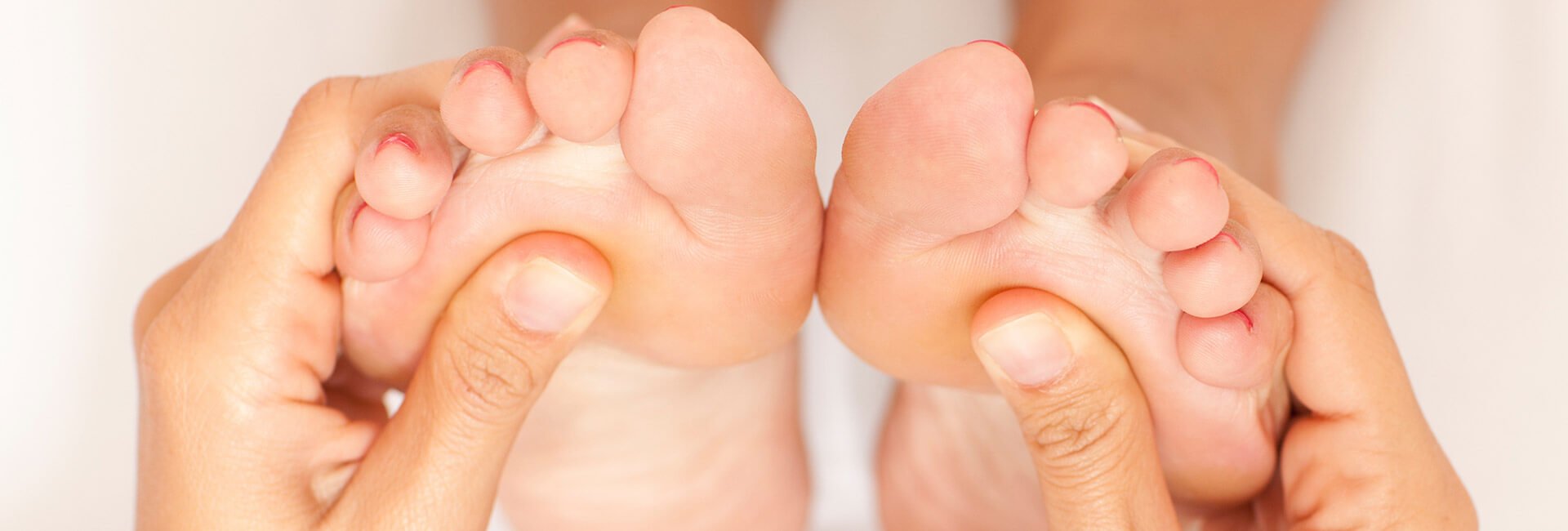
The iTEC Diploma in Reflexology covers a full reflexology treatment of the feet, reflex map theory and treatment planning. It includes consultation, contraindications, aftercare and professional standards. Reflexology may appeal if you enjoy detailed, focused hand skills and want to develop a structured foot-treatment approach rather than a full-body massage routine.
Do not mistake a smaller treatment area for less study. Reflexology still requires anatomy and physiology, client communication, practical assessment and case studies. You need to work within your competence and describe the therapy responsibly. It does not qualify you to diagnose conditions from the feet or promise results for medical problems. Professional boundaries apply throughout the client relationship.
Aromatherapy: oil knowledge and individual selection
The iTEC Diploma in Aromatherapy focuses on essential oil chemistry, properties, safety and blending for individual clients. It may suit you if you enjoy learning the reasons behind product choices and want to connect careful theory study with practical work. An interest in fragrances is a starting point, but safe professional use goes well beyond preference.
You will need to be comfortable studying precautions and making decisions based on consultation rather than recipes alone. Ask about the application methods and practical skills covered by the diploma. As with massage and reflexology, professional aromatherapy is a complementary practice. It should not be marketed as a replacement for medical care or with unsupported promises about curing illness.
What all three routes have in common
Pyramid lists in-person practical work plus theory for all three diplomas, with Anatomy & Physiology Level 5 (UK Level 3) included. Its massage and reflexology outlines describe practical assessments, written theory and anatomy exams, and real-client case studies. Confirm the precise assessment arrangements for the course and intake you choose, including the independent study and practice expected.
All three call for communication, consent, hygiene, accurate records and an understanding of contraindications. They are not simply collections of treatment techniques. iTEC diplomas are internationally recognised and accepted by insurers, employers and professional bodies, but you should check your intended insurer or employer’s specific requirements. A qualification is a foundation for responsible work, not a guarantee of employment.
Questions that can help you choose
Which practical tasks do you naturally want to learn more about? Would you rather develop a full-body routine, work with foot techniques, or study oils and blending decisions? There is no wrong preference. You are more likely to keep up with practice and study when the subject genuinely interests you, rather than when you choose it because somebody else preferred it.
Next, consider the commitment. Ask about the current class timetable, travel, equipment, fees, assessments and the hours you need between sessions. Pyramid’s main centre is in Carrigans, Donegal, with a satellite centre in Mullingar. Confirm where your chosen intake runs and whether the practical arrangements fit around your existing responsibilities. Avoid selecting a course based only on the number of classroom days.
If you are not ready for a full diploma
Pyramid’s online course selection includes introductions to massage, reflexology and aromatherapy through Thinkific. Reviewing the lesson lists may help you explore the topics before committing to a practitioner route. Keep their purpose clear: an introduction can support an informed choice, but it is not automatically a professional qualification or permission to offer paid treatments.
Think about professional work, not just the first course
You might eventually offer one therapy well or add a second qualification as your interests develop. Begin with a route you can complete properly. Each new service needs suitable training and insurance, and extra certificates do not automatically make a practice successful. Practical experience, clear communication and reliable organisation remain important whether you offer one treatment or several.
If self-employment is your aim, consider how you will manage appointments, payments, records and marketing. Pyramid’s optional Business Support Year is available separately after qualification and can support those practical systems. It is not included automatically with a diploma. Ask about it when you are ready to plan a practice, rather than feeling you must decide everything at once.
A useful next step
Compare the three course pages and write down what appeals to you and what you are unsure about. Then use the existing free advisory call to discuss your background and goals with Pyramid. The aim is to choose a suitable first qualification with a clear understanding of the work involved, not to rush into the course with the boldest advertising.